Download and Create macOS Sonoma ISO File [Full Guide]

This guide explains how to download macOS Sonoma ISO files for free and provides step-by-step instructions on creating a macOS Sonoma ISO file for use with VMware and VirtualBox. Keep reading!
macOS Sonoma 14 introduces a lot of new features and improvements. If you wish to experience it on a Windows PC or another Mac computer, you may need a macOS Sonoma ISO file.
In this post, we will explain how to download a macOS Sonoma ISO file for free and provide a step-by-step guide on creating one yourself if you can't find the desired file.
Before You Start
Most of the time, an IOS file is larger than 10 GB. Before you start downloading one, it's necessary to make sure your Mac has enough free space.
To check the available storage space on your Mac, click the Apple menu > System Settings > General > Storage.
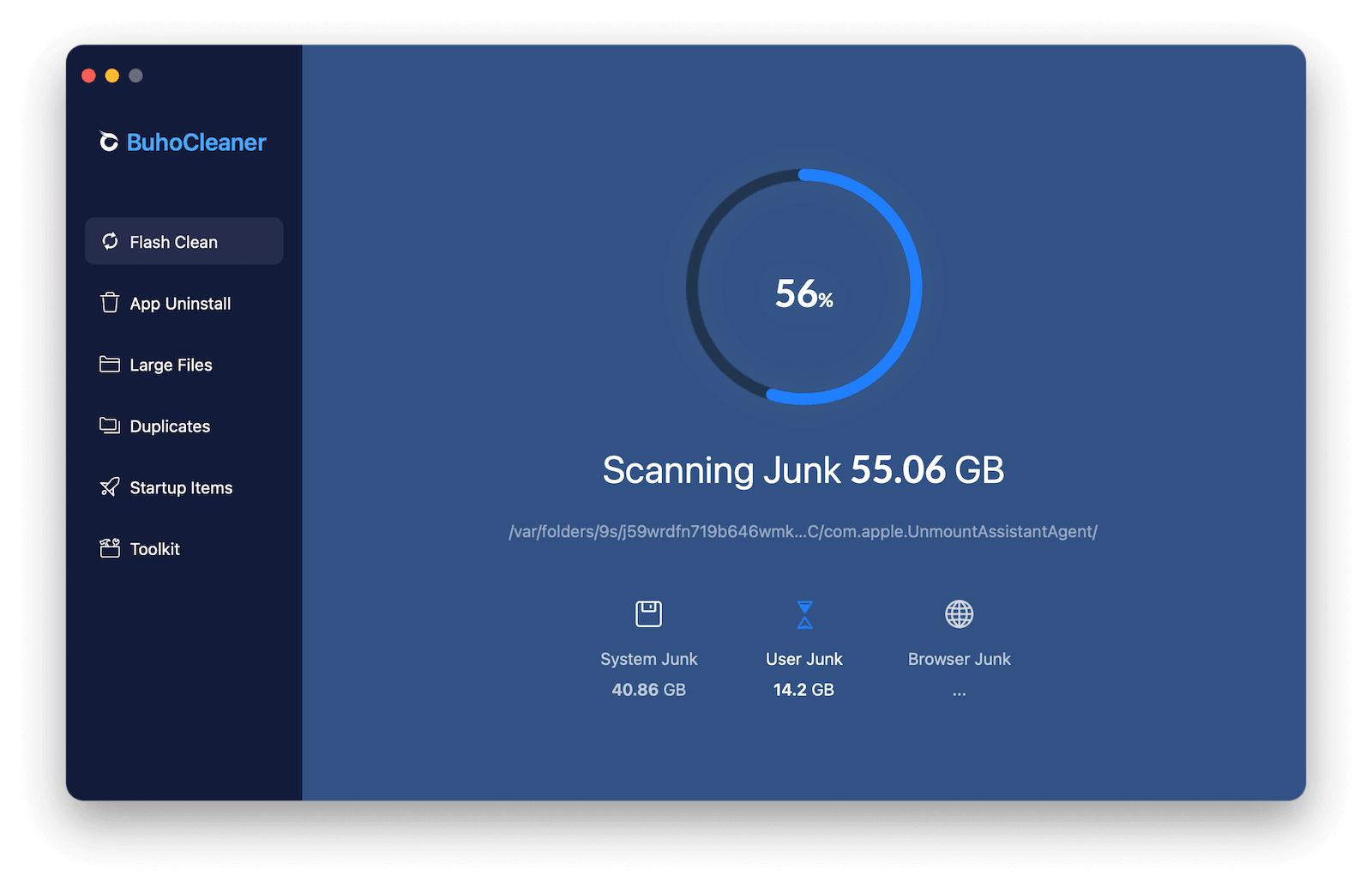
If your Mac is running low on storage space, you can use the best Mac cleaning tool BuhoCleaner for quick cleaning. Click the button below to give it a try. (I cleared over 50 GB of free space. I didn't know I had so many useless files on my Mac computer!)

How to Download macOS Sonoma ISO Files for FREE
Creating a macOS Sonoma ISO file is time-consuming. Thankfully, there are free sources to download macOS Sonoma ISO files.
After much searching and testing, we have listed below some of the free resources available. Simply download the one that meets your needs.
- macOS Sonoma ISO by techrechard.com (14.82 GB)
- macOS Sonoma Installer from Internet Archive (15.6 GB)
- Sonoma.iso from Internet Archive (16 GB)
How to Create a macOS Sonoma ISO File for VMware and VirtualBox
Didn't find your desired macOS Sonoma ISO file? Don't worry; we will show you how to create one for virtual machine software like VMware and VirtualBox, step by step.
Step 1. Download the macOS Sonoma Full Installer
To create a macOS Sonoma ISO file, you need to prepare a full installer first. While you can download macOS Sonoma's installation package from the App Store, it's advisable to download it from the links below to avoid upgrading your Mac to the latest macOS Sonoma.
- MacOS Sonoma 14.8.8 InstallAssistant.pkg{href=
In this post guide, you will learn how to directly download a macOS Sonoma DMG file and how to create one yourself. Read on!
If you're looking for a macOS Sonoma DMG file, you've come to the right place. This guide explains what a macOS Sonoma DMG file is and how to download and create the one you need. Detailed steps included! Let's get started.
What Is a macOS Sonoma DMG File?
A macOS Sonoma DMG file is a disk image used to distribute software and data on macOS. It mounts as a virtual disk on your Mac, making it easy to install macOS Sonoma.
How to Download macOS Sonoma DMG Files
Before You Start
Since a macOS Sonoma DMG file is over 12 GB, you'd better check if your Mac has enough storage space before downloading.
If, unfortunately, your Mac does not have enough storage space to store macOS Sonoma DMG files, try BuhoCleaner, the best Mac cleaner. With this handy tool, you can free up gigabytes of space in just a few clicks. (It helped me clear out over 40 GB of unnecessary files.)
Here's how to free up your disk space using BuhoCleaner:
- Download and install BuhoCleaner on your Mac.
- Launch it and click the "Scan" button.
- Wait for the scan process to finish, then select and remove the unnecessary files found.
- Move to App Uninstall, Large Files, Duplicates, and Disk Space Analyzer to further clean up your Mac.

Download macOS Sonoma DMG Files Directly
Here are some direct links to download macOS Sonoma DMG files. Although they are posted on third-party websites, I have tested them for you, and you can download them with confidence.
- macOS Sonoma 14.2.dmg from Google Drive (12 GB)
- macOS Sonoma 14.0 Public DMG File by techrechard.com (12 GB)
- USB.Flash.Install.macOS.Sonoma.14.0.M4.dmg from Google Drive (13 GB)
- macOS Sonoma DMG from Mega.nz (13.87 GB)
How to Create a macOS Sonoma 14.8.8 DMG File
As of this writing, there is no direct download link for the macOS Sonoma 14.8.8 DMG file on the website. If you need one, follow these steps to create one yourself.
Step 1. Download the macOS Sonoma 14.8.8 Full Installer
There are two ways to download the macOS Sonoma 14.8.8 full installer. One uses the App Store, and the other uses the Install Assistant Package. Which method to use depends on whether your Mac is compatible with macOS Sonoma.
Here are the Macs that can run macOS Sonoma.
- iMac (2019 and later)
- iMac Pro (2017)
- MacBook Air (2018 and later)
- MacBook Pro (2018 and later)
- Mac Mini (2018 and later)
- Mac Pro (2019 and later)
- Mac Studio (2022 and later)
If your Mac is on the list, use the App Store; otherwise, use the Install Assistant Package.
How to Download macOS Sonoma 14.8.8 Full Installer from the App Store
- Click this link to find macOS Sonoma in the App Store.
- Click the "Get" button.
- When prompted, click the "Download" button. (See what to do if your Mac says "The requested version of macOS is not available.)


How to Download macOS Sonoma 14.8.8 Full Installer with Install Assistant Package
Click the link below.
macOS Sonoma 14.8.8 InstallAssistant.pkg (12.7 GB)
When the download is finished, open the .pkg file you downloaded.
- Run the .pkg file as guided.
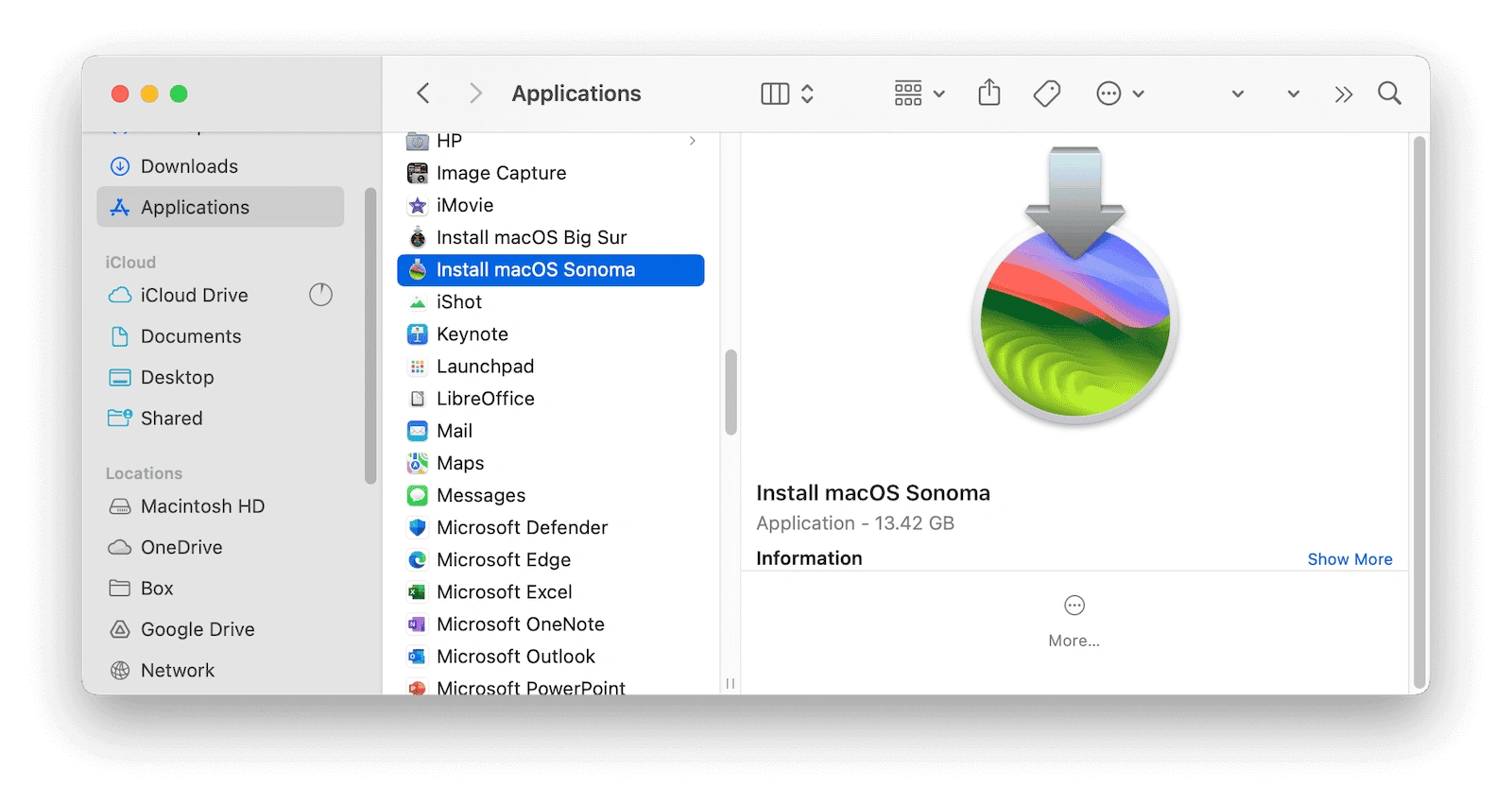
After that, you will find the Install macOS Sonoma app in the Applications folder.


Step 2. Create the macOS Sonoma 14.8.8 DMG File
Now you can start creating the macOS Sonoma 14.8.8 DMG file. You have two options: using Disk Utility or Terminal.
How to Create the macOS Sonoma 14.8.8 DMG File with Disk Utility
- Create a new folder on your desktop and rename it "Sonoma".
- Open Finder and click Applications in the sidebar.
- Locate the Install macOS Sonomoa app and copy it.
- Open the Sonoma folder you created and paste the copied file.
- Open Disk Utility via Spotlight or Finder > Utilities.
- Click the File menu in Disk Utility and select New Image > Image from Folder.
- Select the Sonoma folder on your desktop, then click the Choose button.
- Set "Save As:" to "macOS Sonoma 14.8.8" or another name you want.
- Choose whether to encrypt this dmg, then click the Save button.
- When the creation process is complete, you will find the .dmg file on your desktop.


How to Create the macOS Sonoma 14.8.8 with Terminal
- Open Terminal.
- Copy and paste the following command in Terminal and press Return to create a blank disk image.
hdiutil create -o Sonoma -size 16000m -volname Sonoma -layout SPUD -fs HFS+J


16000m in the above command refers to the size of the disk image being 16000 MB. This number can be changed to a more appropriate one based on the size of the macOS Sonoma installer. It is worth mentioning that if the setting size is too small, the DMG file you need will not be successfully created.- Execute the command below in Terminal to mount the created disk image to your desktop.
hdiutil attach Sonoma.dmg -noverify -mountpoint /Volumes/Sonoma

- Execute the following command to copy the Install macOS Sonoma app to the mounted disk image (you will be asked to enter the administrator password).
sudo /Applications/Install\ macOS\ Sonoma.app/Contents/Resources/createinstallmedia --volume /Volumes/Sonoma –nointeraction

- When you see the message "Install media now available at Volumes/Install macOS Sonoma", it means the bootable macOS Sonoma DMG file has been created successfully.

- Find the Sonoma.dmg file in your user folder.

The Bottom Line
Hopefully, you have found a direct download link for the version of macOS Sonoma you need. If not, follow the steps given above to create one yourself.
It is worth mentioning that whether you are downloading a macOS Sonoma DMG file or creating one using Terminal or Disk Utility, it is crucial to make sure your Mac has enough storage space. BuhoCleaner is the ideal tool to clean up your Mac. Don't forget to give it a try. rel=nofollow}
Once the download process is complete, you will find the .pkg file in your Downloads folder. What you need to do is run the .pkg file and get an application named Install macOS Sonoma in the Applications folder.
Step 2. Create Your Own macOS Sonoma ISO File with Terminal
Now that you have the macOS Sonoma full installer, let’s move on to how to create a macOS Sonoma ISO file using Terminal.
Open Terminal via Spotlight.
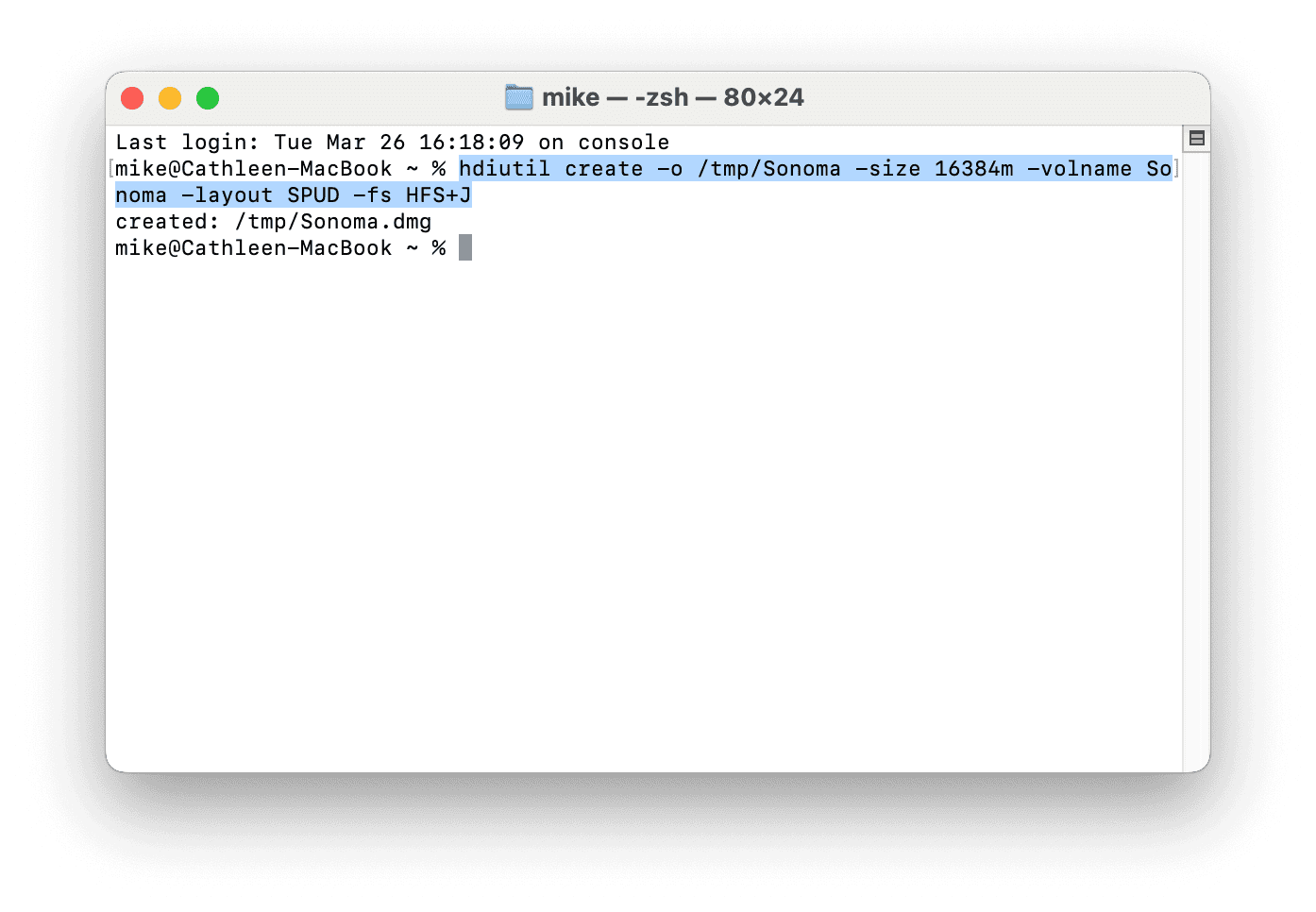
Paste the command below into Terminal and press Enter.
hdiutil create -o /tmp/Sonoma -size 16384m -volname Sonoma -layout SPUD -fs HFS+JNote: This command will create an empty disk on your Mac.
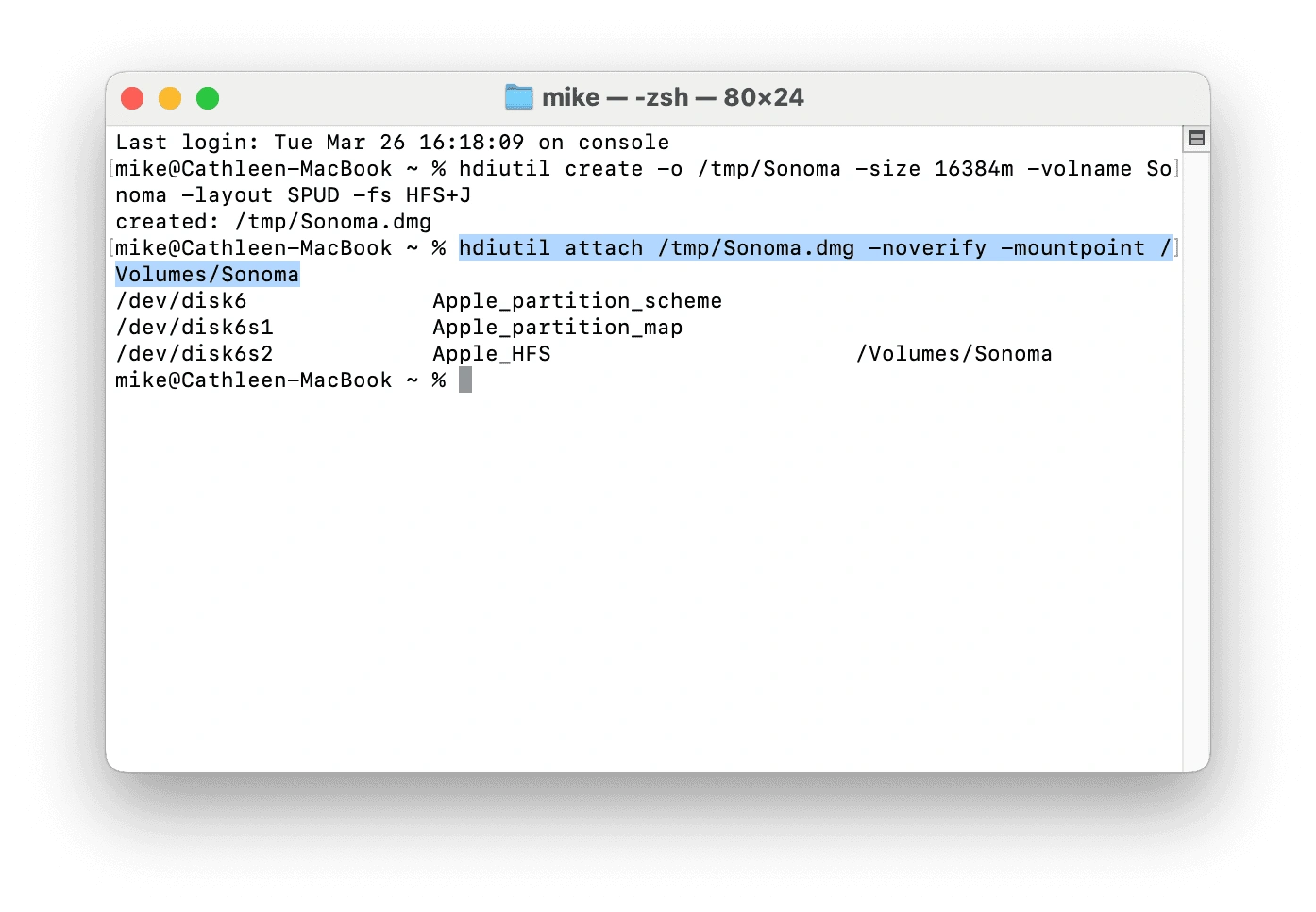
When a disk is created, run the command below in the Terminal window.
hdiutil attach /tmp/Sonoma.dmg -noverify -mountpoint /Volumes/SonomaNote: This command will mount your created disk.
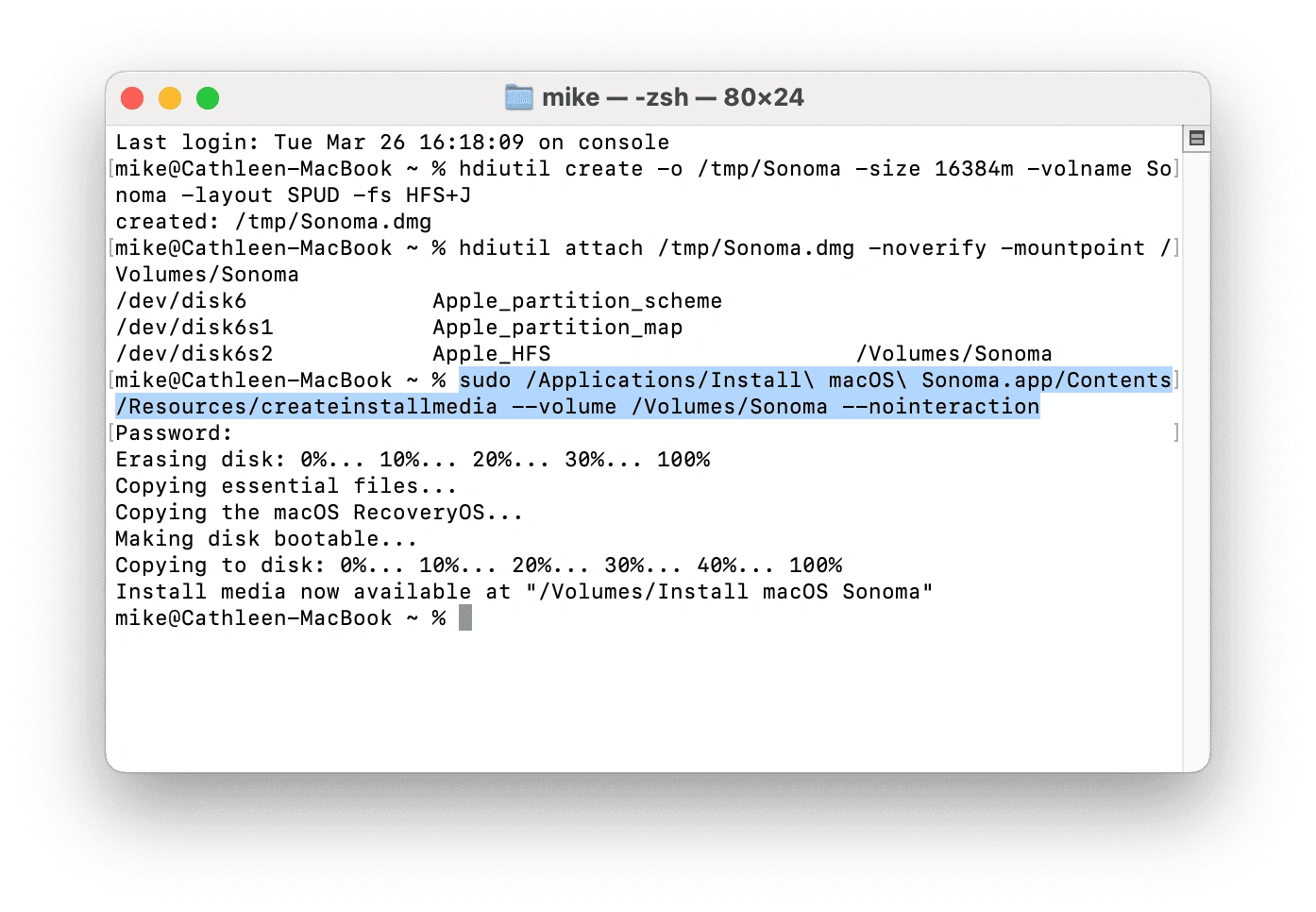
Execute the following command in the Terminal and enter your administrator password.
sudo /Applications/Install\ macOS\ Sonoma.app/Contents/Resources/createinstallmedia --volume /Volumes/Sonoma --nointeractionNote: This command will create your installation media. If your macOS Sonoma installer is not named Install macOS Sonoma.app, replace it with the actual name, and don't forget to use the backslashes (\) to escape the space characters.
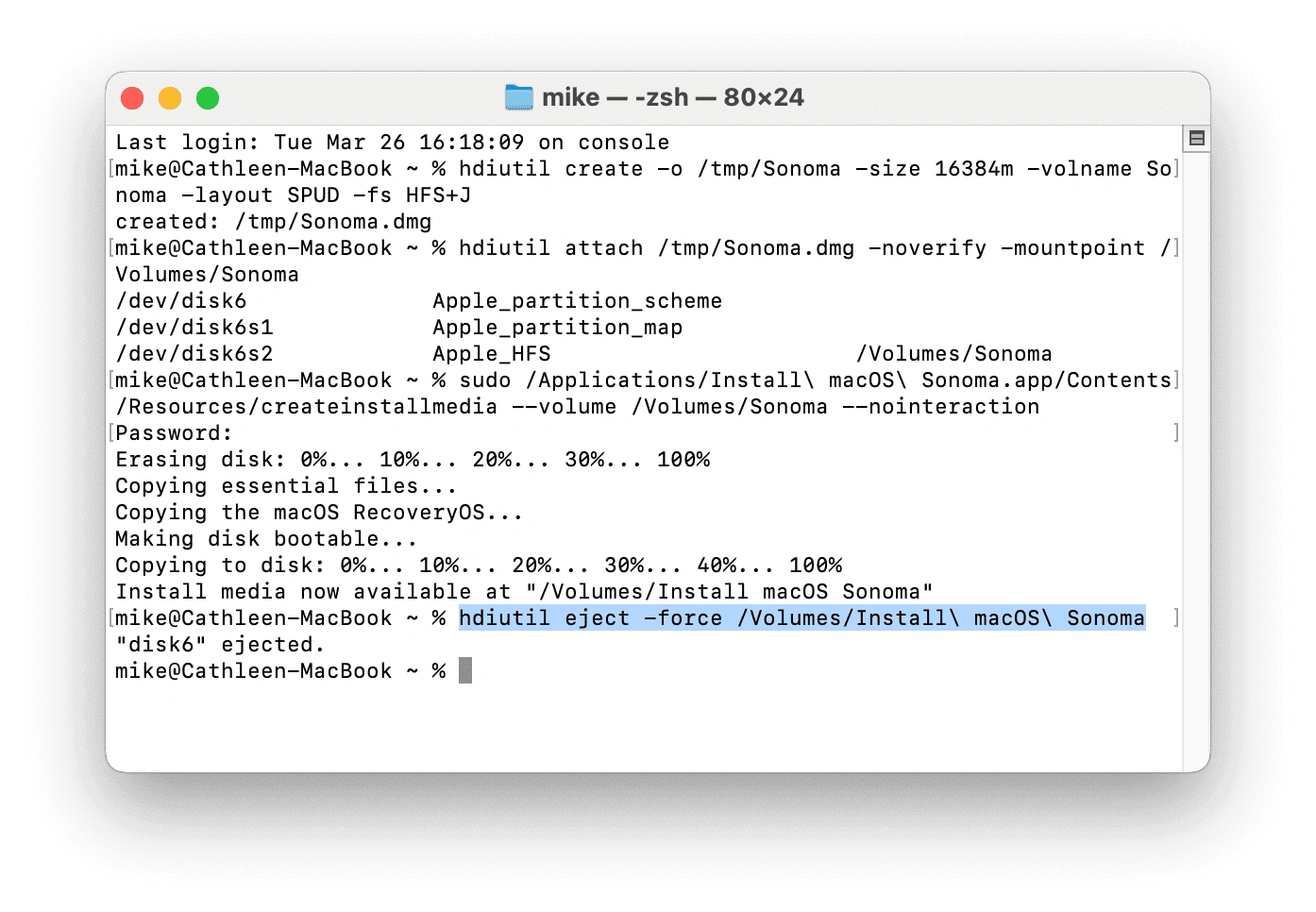
Continue to run the command below.
hdiutil eject -force /Volumes/Install\ macOS\ SonomaNote: This command will unmount your disk image.
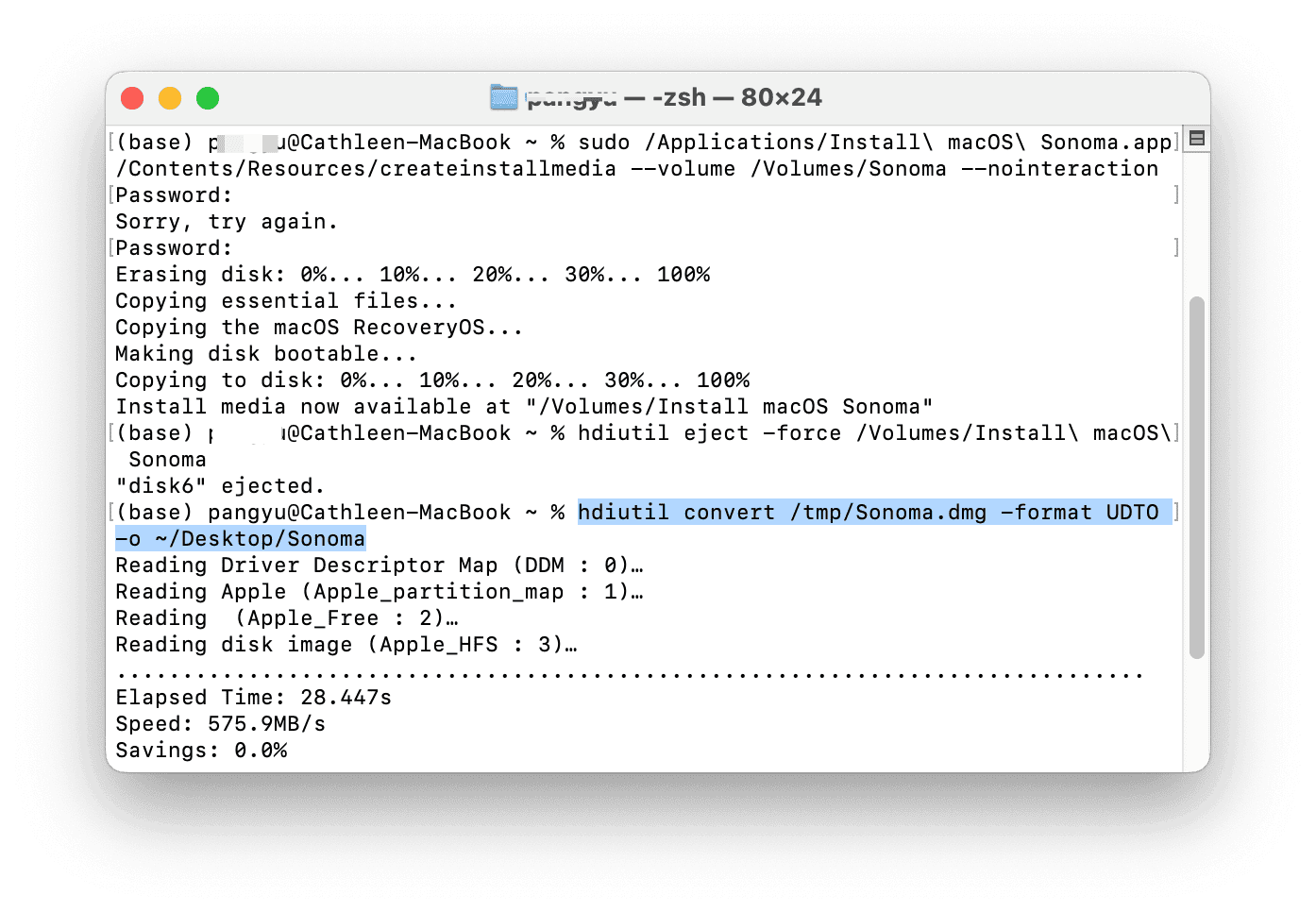
Run the command below.
hdiutil convert /tmp/Sonoma.dmg -format UDTO -o ~/Desktop/SonomaNote: This command will create a CDR file.
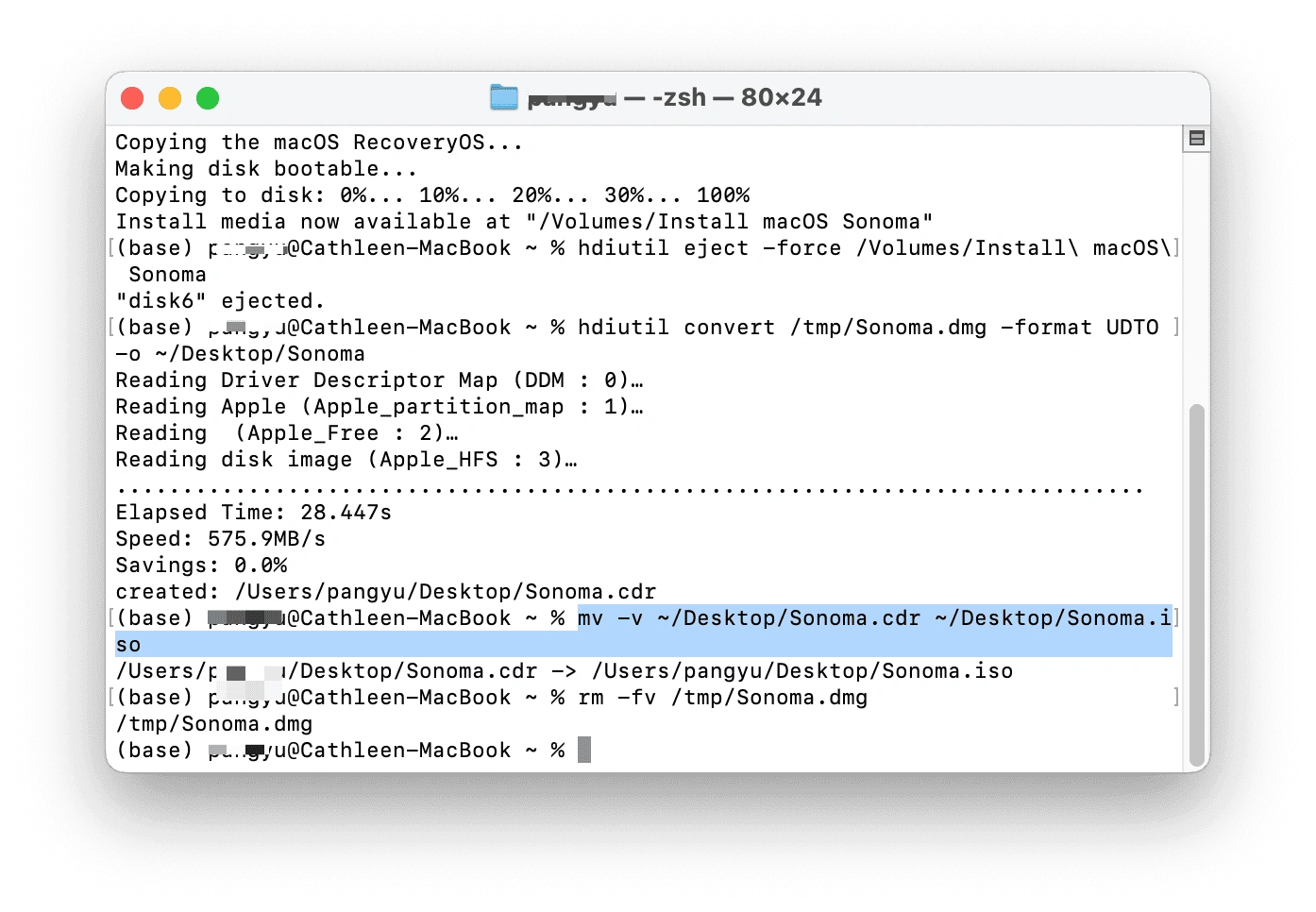
Continue to run the command below:
mv -v ~/Desktop/Sonoma.cdr ~/Desktop/Sonoma.isoNote: This will convert your CDR file to ISO format.
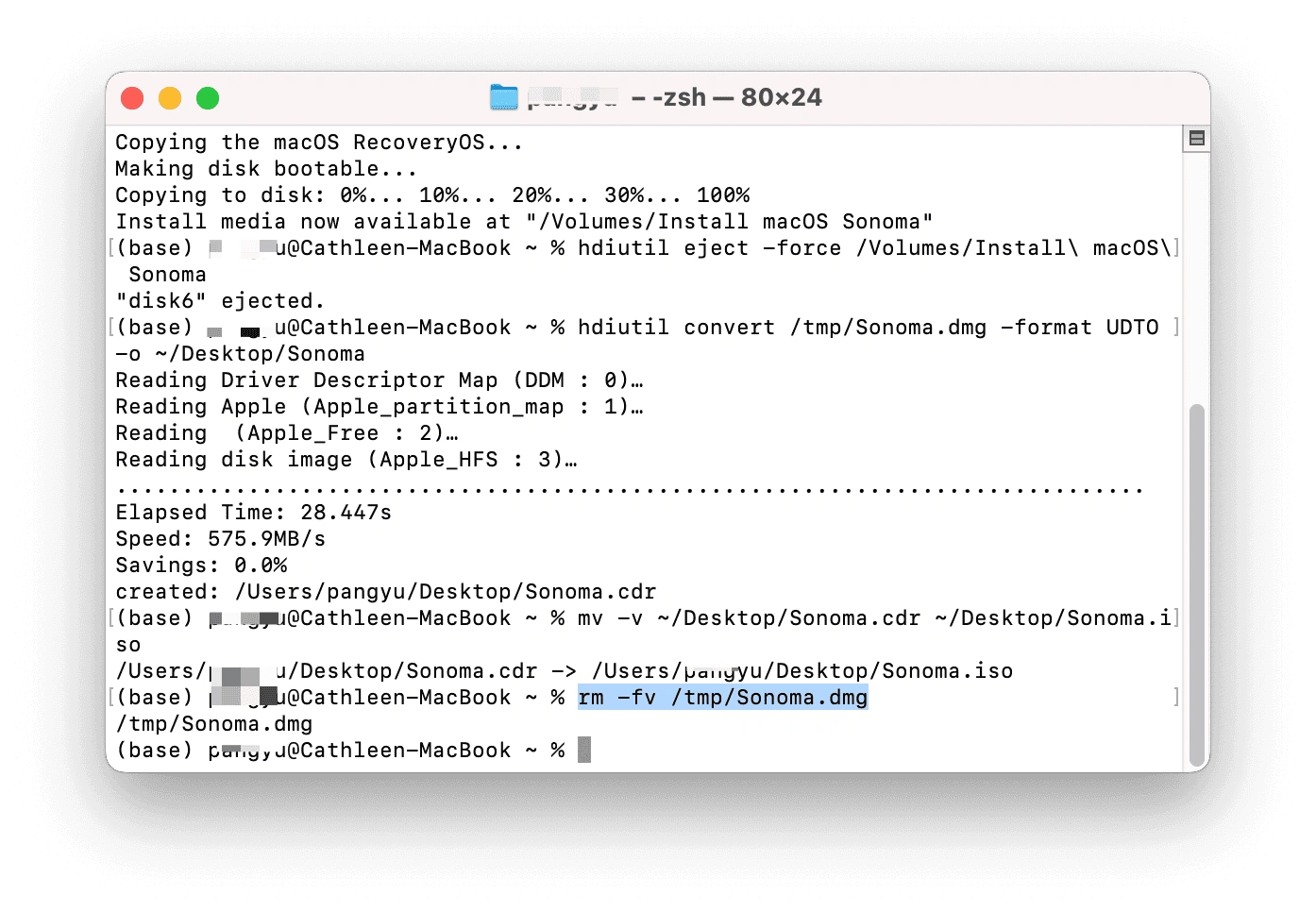
Finally, run the rm command to clean up the files.
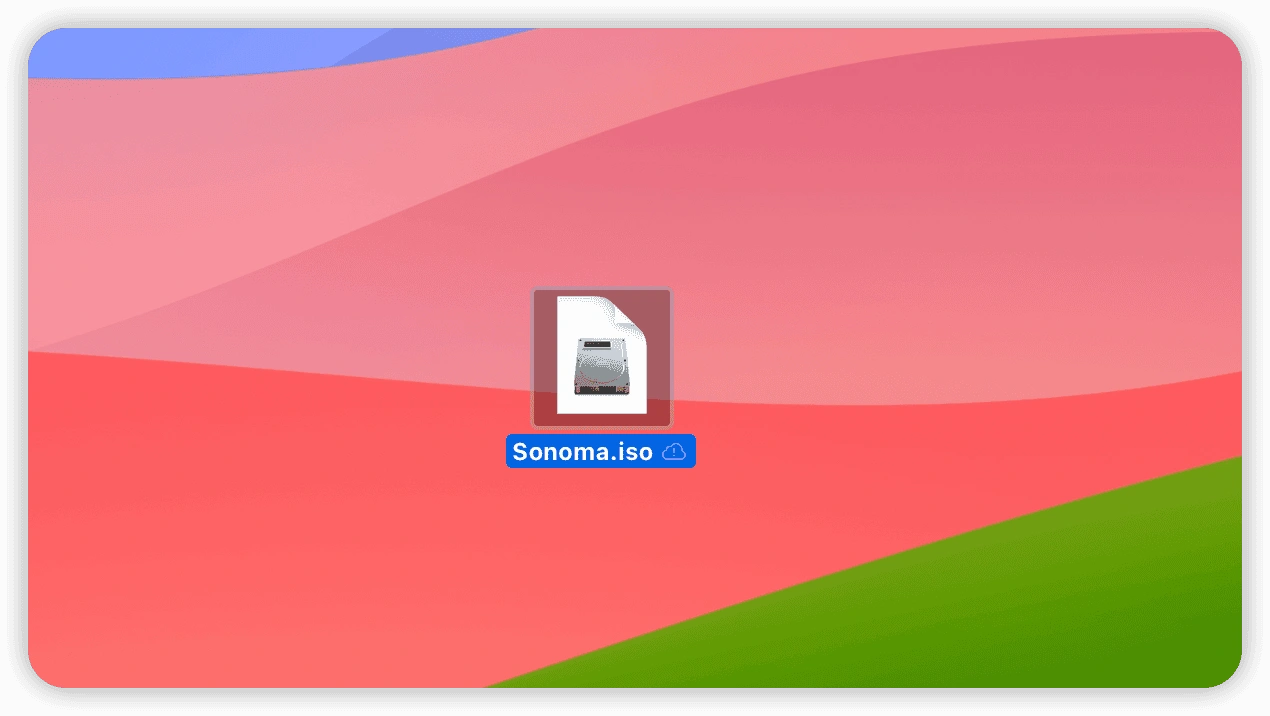
rm -fv /tmp/Sonoma.dmgOnce everything is done, you will find a file named Sonoma.iso on your desktop. Now you can use it to clean install macOS, upgrade your Mac, and run macOS Sonoma on a Windows PC using VMware or VirtualBox.

The Bottom Line
Hopefully, you have successfully downloaded or created your desired macOS Sonoma ISO file for virtual machine tools like VMware and VirtualBox.
It's worth noting that whether you're downloading or creating a macOS Sonoma ISO file, it's necessary to free up enough storage space on your Mac beforehand. BuhoCleaner is a handy tool to help you get that done. Don't forget to check it out.
Wendy is a tech enthusiast with a deep passion for all things iPhone, iPad, and Mac. Wendy is always on the lookout for Apple products and is committed to providing Apple users with some of the latest information and useful tips.