- iOS 27 Installation
- iOS 27 Problems
iOS 27 Unable to Verify Update? Try These 9 Fixes

Learn 9 fixes here if you’re unable to verify the iOS 27 update. From basic fixes to advanced solutions, you can ensure a smooth update process then.
With iOS 27 now officially available, many iPhone users are eager to install the update and try its new features and improvements.
However, some users may encounter the “Unable to Verify Update” error when attempting to download or install iOS 27. This usually means that the iPhone cannot successfully verify the update with Apple’s servers, although network problems, insufficient storage, or a temporary software glitch can also be responsible.
In this guide, we’ll explain the most common causes of the error and walk you through several practical ways to fix it and complete the iOS 27 update.
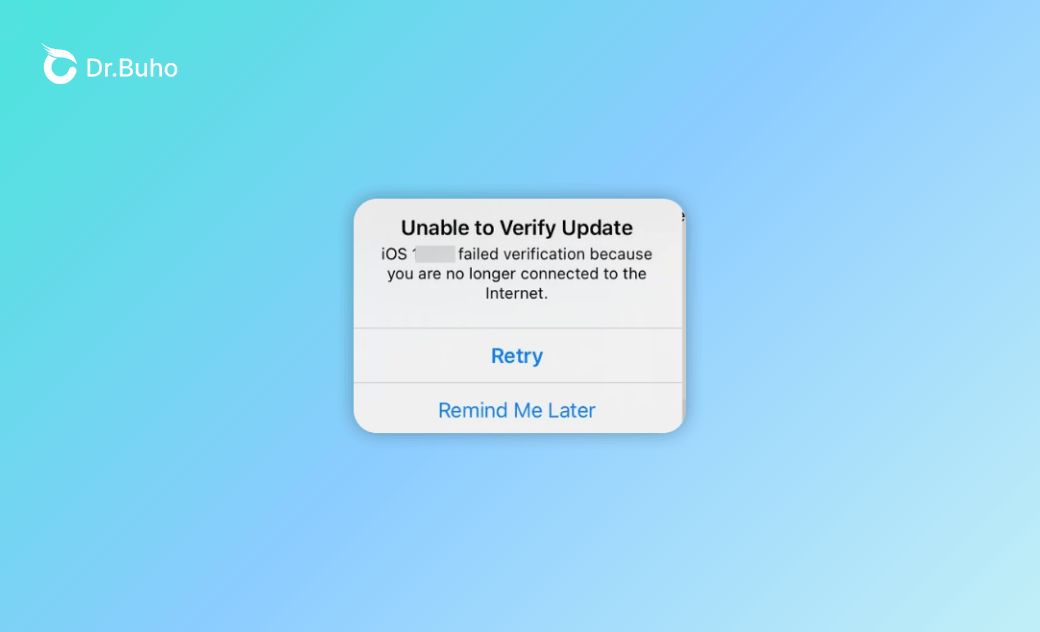
Why Is My iPhone Unable to Verify the iOS 27 Update?
Common causes range from an incompatible iOS device and an incomplete update file to an unstable internet connection and busy Apple servers. Before learning how to fix the iPhone update verification issue, find the reasons here:
- You cannot run iOS 27 on all iPhone devices. In other words, you should ensure your iPhone is compatible with the new iOS 27. Specifically, it should be an iPhone 11 or later.
- If you didn’t download the update files properly, you won’t be able to verify the iOS 27 update.
- A weak or unstable network connection can also prevent your iPhone from verifying the update.
- If your iPhone doesn’t have enough storage space, it may prevent you from verifying the update.
- Sometimes, Apple’s servers can be overloaded or under maintenance. If you can’t communicate with Apple’s servers, you won’t be able to verify the iOS 27 update.
How to Fix the “Unable to Verify Update” Error When Installing iOS 27
If your iPhone is unable to verify iOS 27, try these methods to fix the issue and reinstall the update.
Check Your Internet Connection
It’s important to keep a stable network connection when you’re verifying the new iOS 27. This is because the whole process relies on a strong connection to Apple’s servers. If your network is weak or unstable, it may fail to communicate with Apple’s servers or confirm the authenticity of the update file.


Open an online video in high quality to see if you’re using a fast and stable network. If not, switch to a Wi-Fi network. However, avoid using public Wi-Fi, since it might not be secure or stable.
Turn Airplane Mode on and off
If you don’t want to reset network settings, turn on Airplane Mode. In this way, you can also reset the network connection. When you turn on Airplane Mode, it disables all wireless connections, such as Wi-Fi, cellular data, and Bluetooth. This can resolve temporary network issues and help your iPhone communicate with Apple's servers again.


- Turn on Airplane Mode for about 15 seconds.
- Turn it off and connect to WiFi again.
Free up iPhone Storage Space
Usually, an iOS update requires you to have a large amount of internal space. If your iPhone doesn’t have enough space to complete the update, it won’t complete the verification either.
Before updating to iOS 27, try to delete redundant photos, videos, apps, or files. This can ensure all download, installation, and verification processes are smooth and successful.


Here is how to get more internal space on your iPhone.
- Click on Settings, General, and iPhone Storage.
- Delete apps, videos, messages, browser cache, or files.
Check Battery Level
Even if you have a network connection, make sure your iPhone has at least 50% battery. Alternatively, keep it plugged into a power source. This helps maintain a stable connection to Apple’s servers.
Delete the Corrupt Update File and Update Again
There is a chance that the update file is incomplete or corrupted. The corrupted update file might contain errors or missing data that could prevent you from verifying the iOS 27 update. After deleting these update files, download a new one. This is particularly useful when you’re stuck at the verification interface.


- Navigate to Settings, General, and iPhone Storage.
- Find and tap on “iOS 27”.
- Delete the update and then return to Software Update to update to iOS 27 again.
Restart Your iPhone
If the methods above don’t resolve the verification issue, try restarting your iPhone. A simple restart can usually clear software conflicts and temporary glitches that interfere with the verification process. Restarting closes all apps and refreshes the iOS system, while also helping your device establish a more stable connection with Apple’s servers.


- Press and hold the power button or the side button until you see the “slide to power off” slider.
- Drag the slider to turn off your iPhone.
- Wait for a few minutes to turn it back on.
- Then you can try to verify the iOS 27 update again.
Reset Network Settings
Reset network settings if you face any issues with the network connection. Such issues could be network flaws, for instance, an issue with DNS settings, Wi-Fi, or outdated network information. Resetting the network settings resets the network settings and provides a better network connection. You can reset network settings in Settings.


- Open Settings and navigate to “General Transfer or Reset iPhone”.
- Choose the “Reset Network Settings” option.
- Connect to WiFi and verify the iOS 27 update again.
Use an iOS System Repair Tool
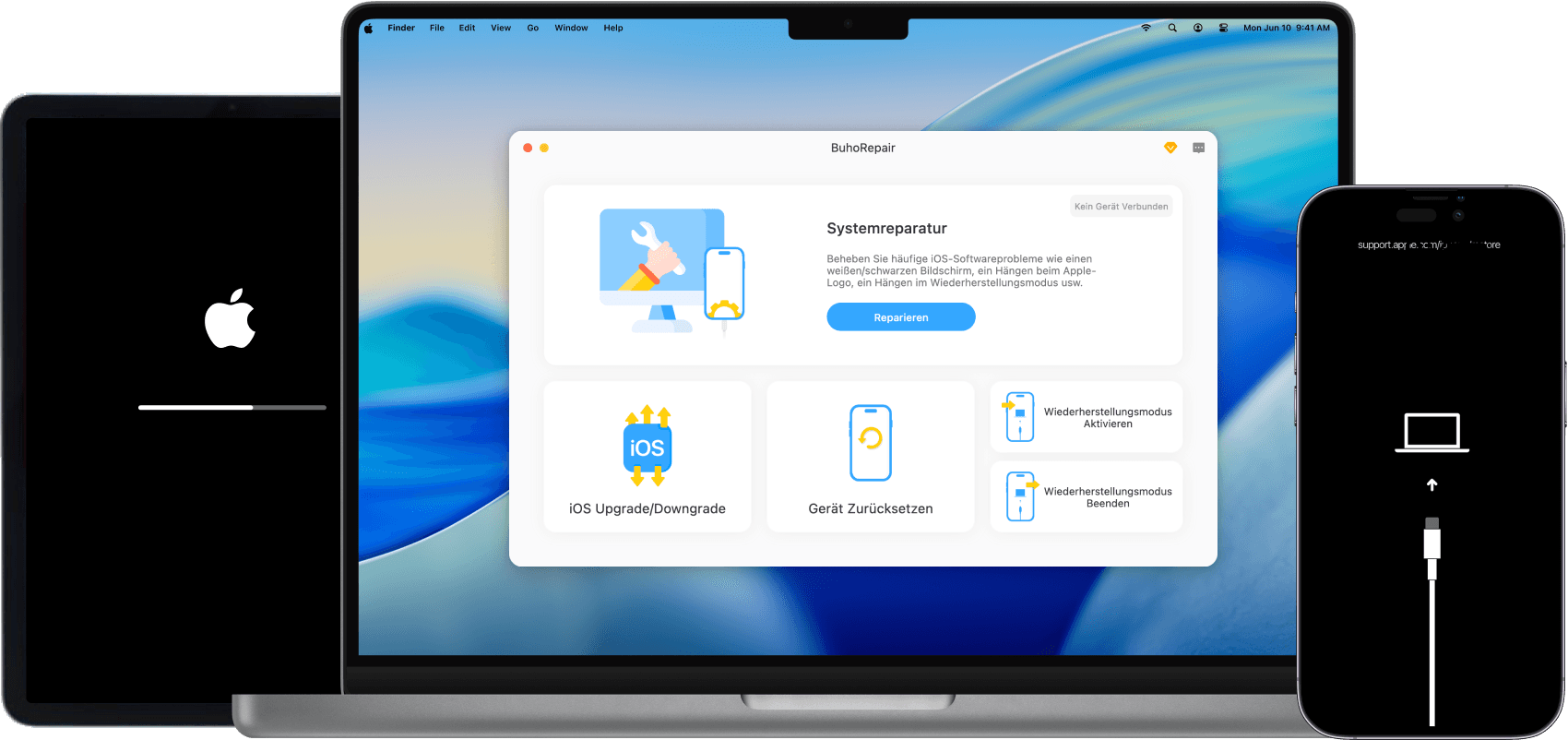
Despite having a stable network, corrupted update files can still cause iOS system issues. You don’t need to identify the specific problem, as you can fix them all in one place. BuhoRepair is designed to address a wide range of iOS system issues. From iOS installation failures to verification errors, you can restore your system quickly and easily. Using the Standard Repair mode ensures that your data remains safe.
Afterward, you can upgrade or downgrade your iOS system as needed. If you don’t like iOS 27 and want to revert to a previous version, BuhoRepair makes downgrading simple. Likewise, if you want to reinstall iOS 27, it can be done with just a few clicks.
Step 1. Free install BuhoRepair on your computer and connect your iPhone or iPad to the computer.


Step 2. Choose the System Repair mode and the Standard Repair option.

Step 3. Follow the steps to get your iOS system repaired and try to upgrade to iOS 27 again.


Install the Update on a Computer
Alternatively, install the updated iOS 27 on your computer. This is another way to avoid issues with the network and iOS system. You can download and install the update file from iTunes or Finder. If you don’t want to use iTunes, you can also turn to BuhoRepair to upgrade or downgrade the iOS system. As BuhoRepair is always up to date, you can always find the latest update file that matches your iPhone model.


Conclusion
Don’t feel upset when you’re stuck on the “Unable to Verify Update" screen when trying to install iOS 27. Here, you’ll find 9 quick fixes to restore the verification process. In a nutshell, you should keep a stable network and ensure sufficient power and storage space. If there is any issue with the iOS system, you can use BuhoRepair to get it repaired. Moreover, you can reinstall iOS 27 on your computer with iTunes or BuhoRepair.
Clare has been captivated by the world of Apple products since the launch of the iconic iPhone in 2007. With a wealth of experience, Clare is your go-to source for iPhone, iPad, Mac, and all things Apple.